Man from the South Audiobook A2 Elementary. A Man from the South is an adapted audiobook in English, Level 2, with parallel translation. Ilya Frank’s method (bilingual). A story by British writer Roald Dahl. His stories are famous for their unexpected endings. Author of “Charlie and the Chocolate Factory.” Unique words: 612 Total words: 2983
📖 Story (no spoilers)
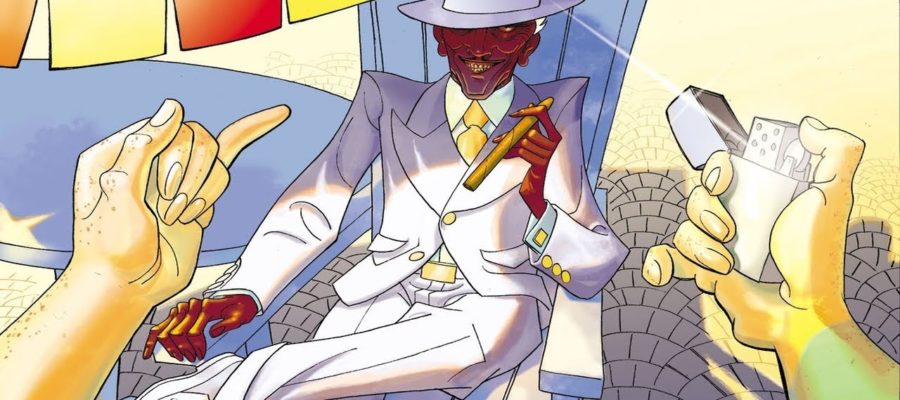
A young American sailor is sitting by a hotel pool in Jamaica. He talks about his lighter and says it always works. An old man hears him and makes a strange bet. If the young man can light his lighter ten times without one miss, he wins a Cadillac. But if he misses once, he loses the little finger on his left hand. The young man agrees. They go to old man’s ™s hotel room to play the dangerous game.
vocabulary (click to open)
Lighter (noun) – a small object that makes fire for cigarettes.
Example: “He was holding the lighter in his hand, ready to turn the little wheel.”
Flame (noun) – the bright, hot gas that you see when something burns.
Example: “The little flame appeared.”
Wheel (noun) – here, the small round part on a lighter that you turn to make fire.
Example: “He turned the wheel sharply.”
Thumb (noun) – the short, thick finger on the side of your hand.
Example: “With his thumb, he raised the top of his lighter.”
Bet (noun/verb) – an agreement to risk money or something valuable on a result; to make such an agreement.
Example: “Shall we not make a little bet on whether your lighter lights?”
Cadillac (noun) – a large, expensive American car.
Example: “If you win, you take the car. If you lose, I take the finger.”
Key (noun) – a metal object used to open or start something, like a car.
Example: “He produced the key from his pocket and gave it to me.”
Knife (noun) – a sharp tool or weapon with a handle.
Example: “He picked up the knife and stood beside the table.”
Butcher’s knife (noun phrase) – a large, heavy knife used for cutting meat.
Example: “I want a big knife, a butcher’s knife, which you can borrow from the kitchen.”
Chop (verb) – to cut something with a sharp tool.
Example: “If you lose, I chop off your finger.”
Finger (noun) – one of the five long parts at the end of your hand.
Example: “He has taken altogether 47 fingers from different people.”
Fist (noun) – a hand with the fingers closed tightly.
Example: “Now, please make a fist. All except for the little finger.”
Tie (verb) – to fasten something with rope or string.
Example: “He tied the string around the boy’s wrist.”
Nail (noun) – a thin, sharp piece of metal used to join wood.
Example: “He hammered two nails into the table.”
Hammer (noun/verb) – a tool with a heavy metal head used for hitting nails; to hit with a hammer.
Example: “He began to hammer the nails into the top of the table.”
String (noun) – a thin rope used for tying things.
Example: “He found some string.”
Wrist (noun) – the joint between your hand and your arm.
Example: “He tied the string around the boy’s wrist.”
Referee (noun) – a person who watches a game to make sure the rules are followed.
Example: “You would perhaps be good enough to referee.”
Pale (adjective) – having skin that is lighter than usual, often because of fear or illness.
Example: “He was about 19 or 20 with pale skin.”
Tense (adjective) – nervous and not able to relax.
Example: “He was sitting there very still, obviously tense.”
Ridiculous (adjective) – very silly or unreasonable.
Example: “It’s a stupid, ridiculous bet.”
Disturb (verb) – to make someone worried or upset.
Example: “The old man had succeeded in disturbing the boy with his ridiculous suggestion.”
Hesitate (verb) – to pause before doing something because you are not sure.
Example: “He never hesitated.”
Afford (verb) – to have enough money to buy or do something.
Example: “I never ask you to bet something that you cannot afford.”
Insurance (noun) – an agreement that gives you money if something bad happens, like a car accident.
Example: “The papers and the insurance are in the pocket of the car.”
Accent (noun) – the way someone says words that shows where they are from.
Example: “I couldn’t tell if his accent was Italian or Spanish.”
Pound note (noun phrase) – British paper money.
Example: “He gave her a pound note.”
Maid (noun) – a woman whose job is to clean rooms in a hotel.
Example: “A maid came in.”
Pause (noun/verb) – a short stop; to stop for a short time.
Example: “Then a pause, then the thumb raising the top once more.”
Count (verb) – to say numbers in order.
Example: “Will you please count aloud the number of times I light it?”